Contract review
Material grade, size, code, fabrication route and acceptance criteria.
Technology
Our engineering route is defined around the metal pair, geometry, final fabrication and acceptance criteria.
Process principle
The flyer plate is separated from the base plate by a calculated stand-off. Detonation drives a progressive collision front across the assembly. A metal jet cleans the mating surfaces immediately before impact, allowing a continuous solid-state metallurgical bond to form.
The resulting interface is commonly wavy. Its geometry depends on the materials and selected process window.
Production sequence
Material grade, size, code, fabrication route and acceptance criteria.
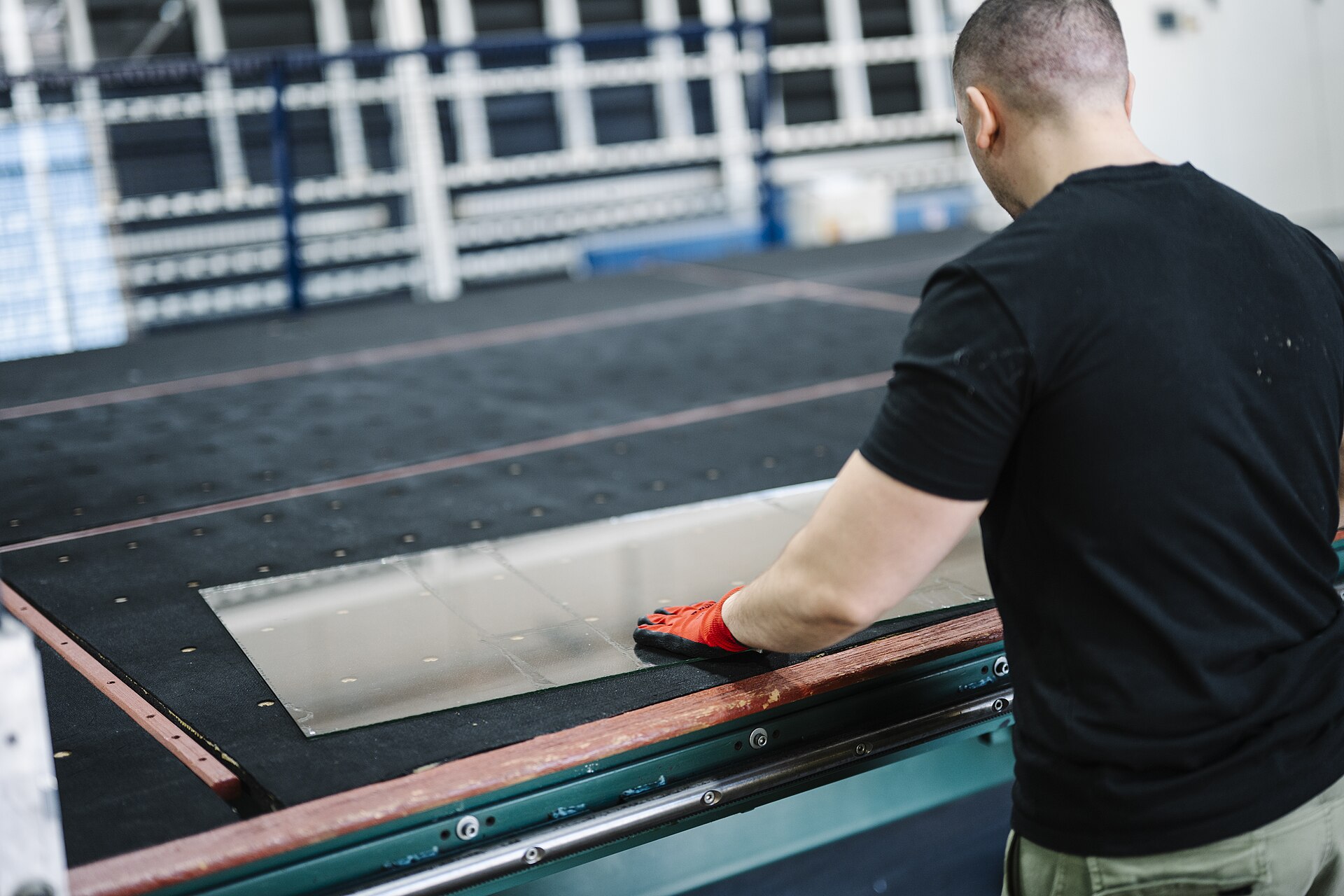
Incoming identification, flatness check and mating-surface preparation.
Calculated stand-off, support arrangement and detonation layout.
Controlled field operation using approved process parameters.
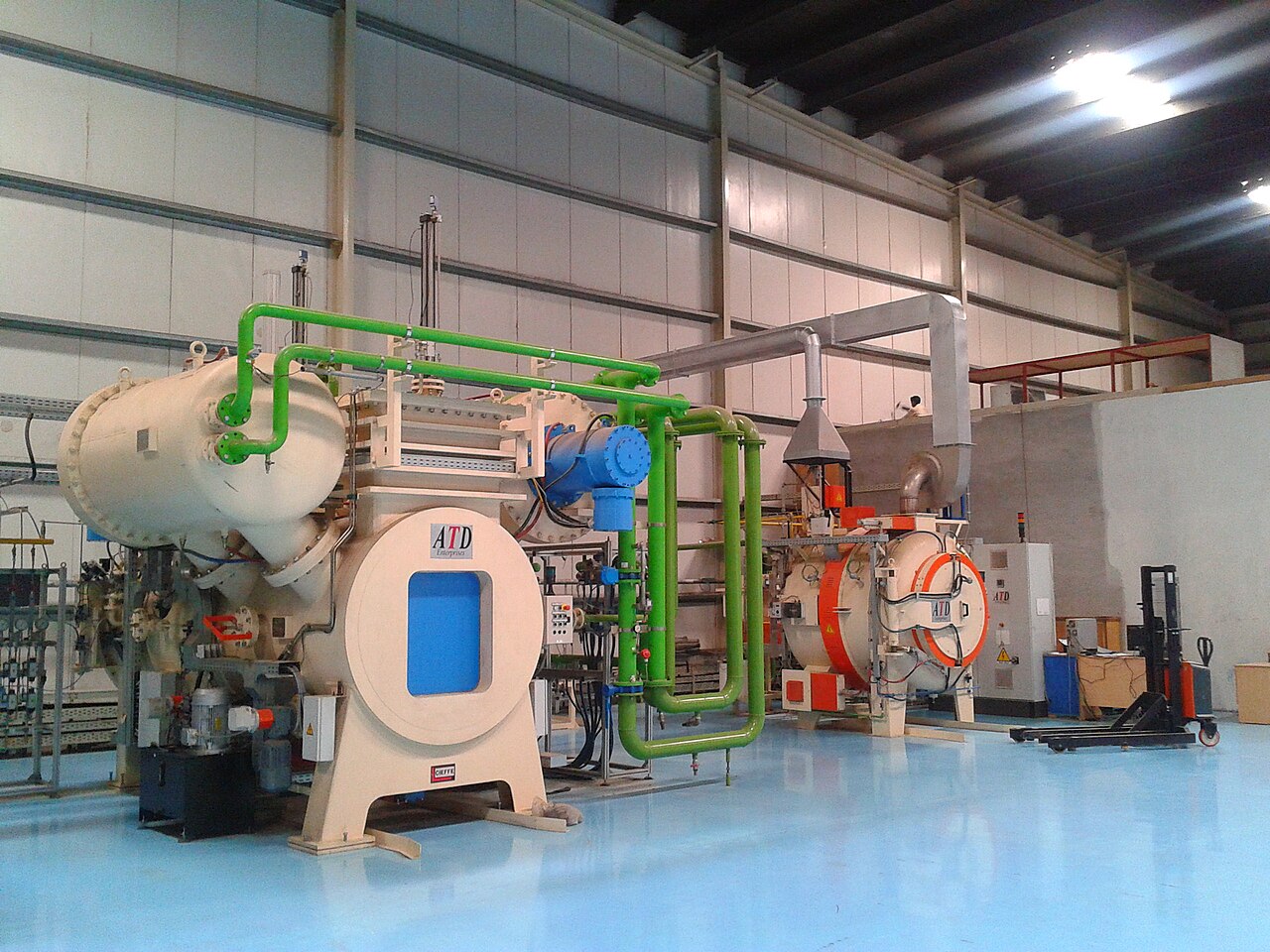
Heat treatment, leveling, cutting and surface conditioning as required.
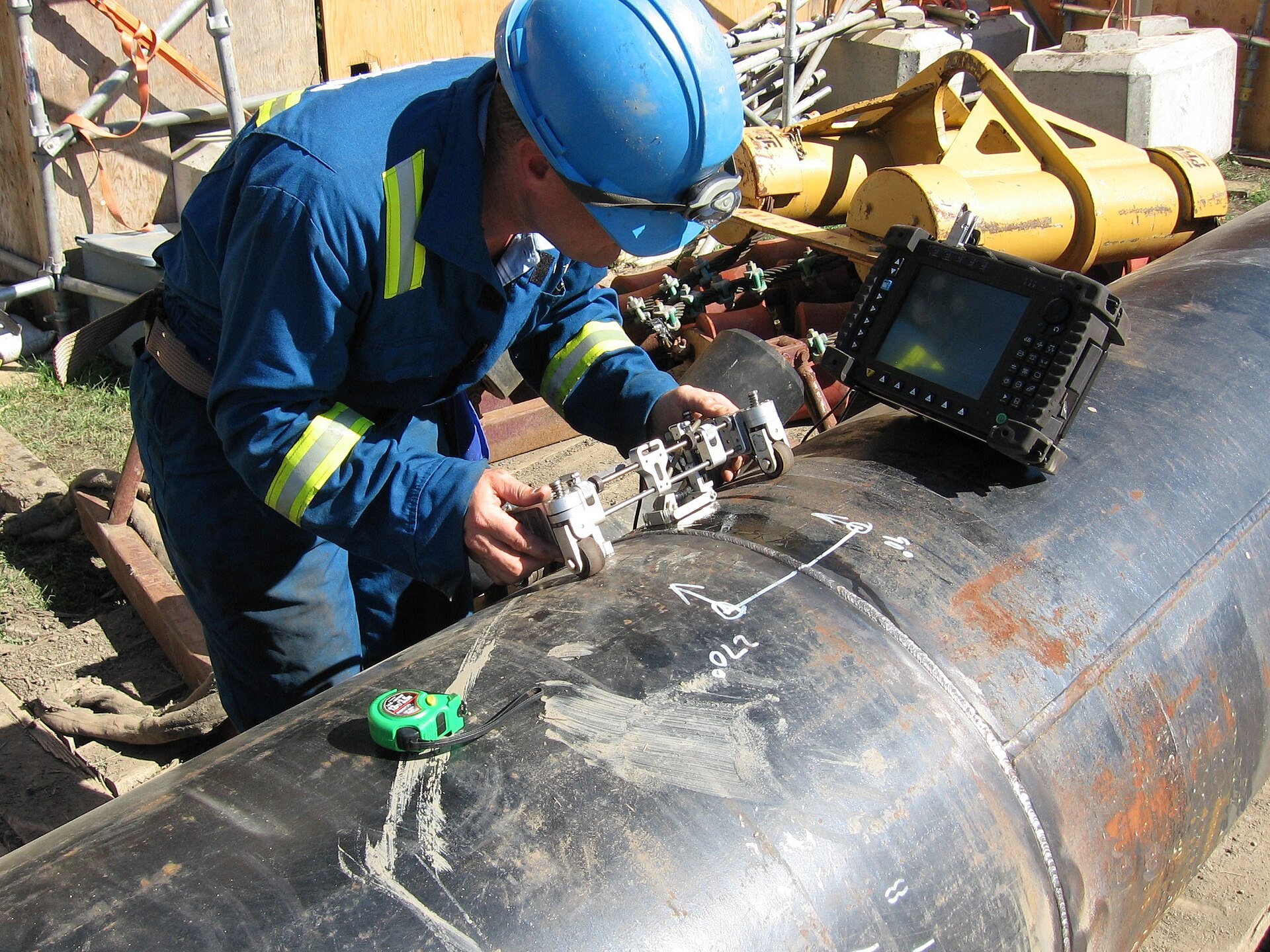
UT mapping, mechanical tests, dimensional report and documentation.
Route selection
The right route depends on alloy compatibility, dimensions, thickness ratio, quantity and end-use. Qinhai reviews both process needs and downstream fabrication before confirming supply.